La Alcaicería Market, Granada
At a Glance
Local Tip
Look for authentic taracea - Granada's famed wood inlay craft involves geometric patterns using bone, mother-of-pearl, and coloured woods. Genuine pieces take weeks to make and cost accordingly. Cheap imitations abound - ask vendors about the workshop origin.
Video Tour of La Alcaicería Market, Granada
Where to Stay in Granada
Find the best hotels near the market. We recommend staying in the city center for easy access.
Find HotelsWhen to Visit
Frequency
daily
Opens
10:00
Closes
20:00
What You'll Find
Highlights
For more options, see our Granada markets guide.
Recommended Stay
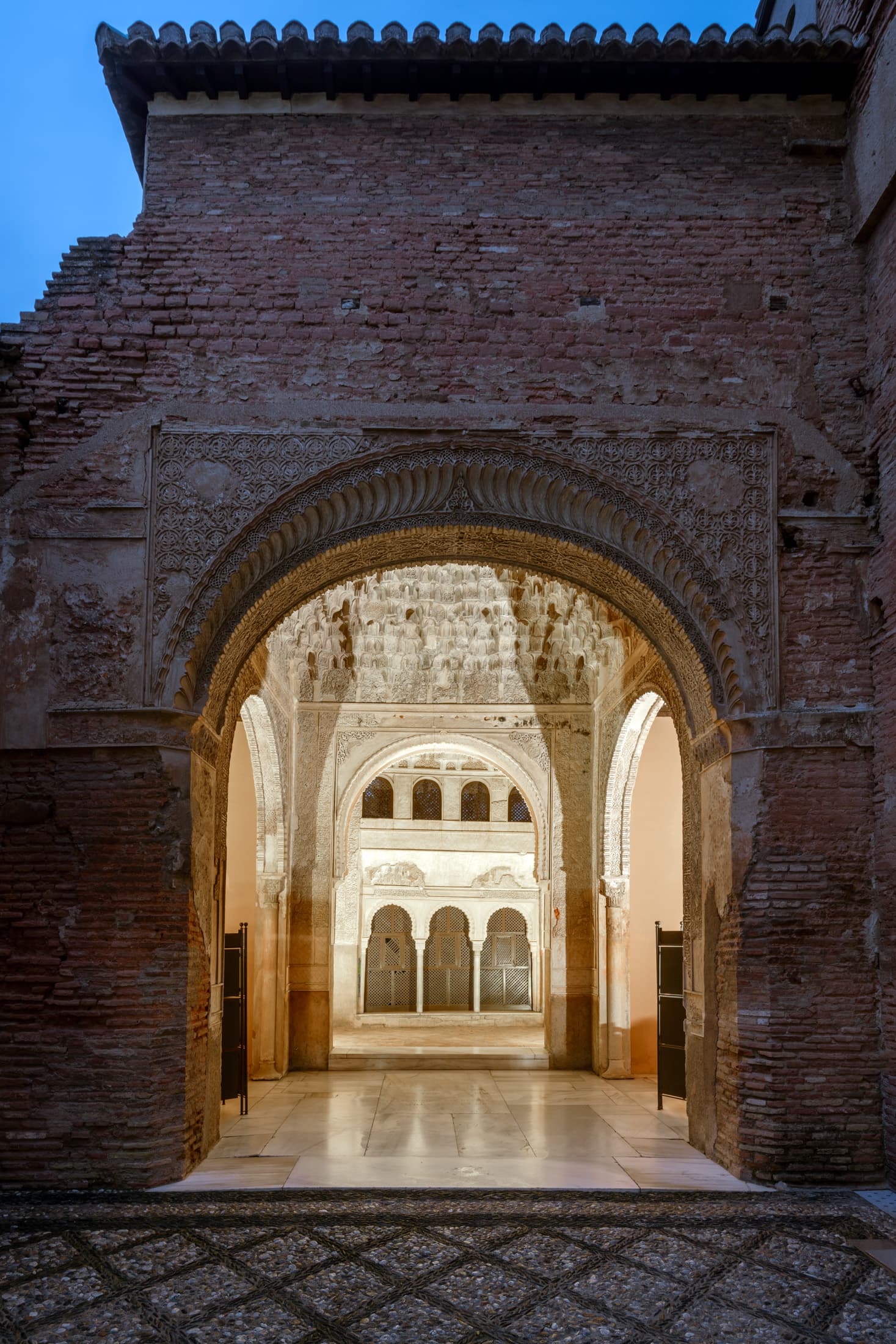
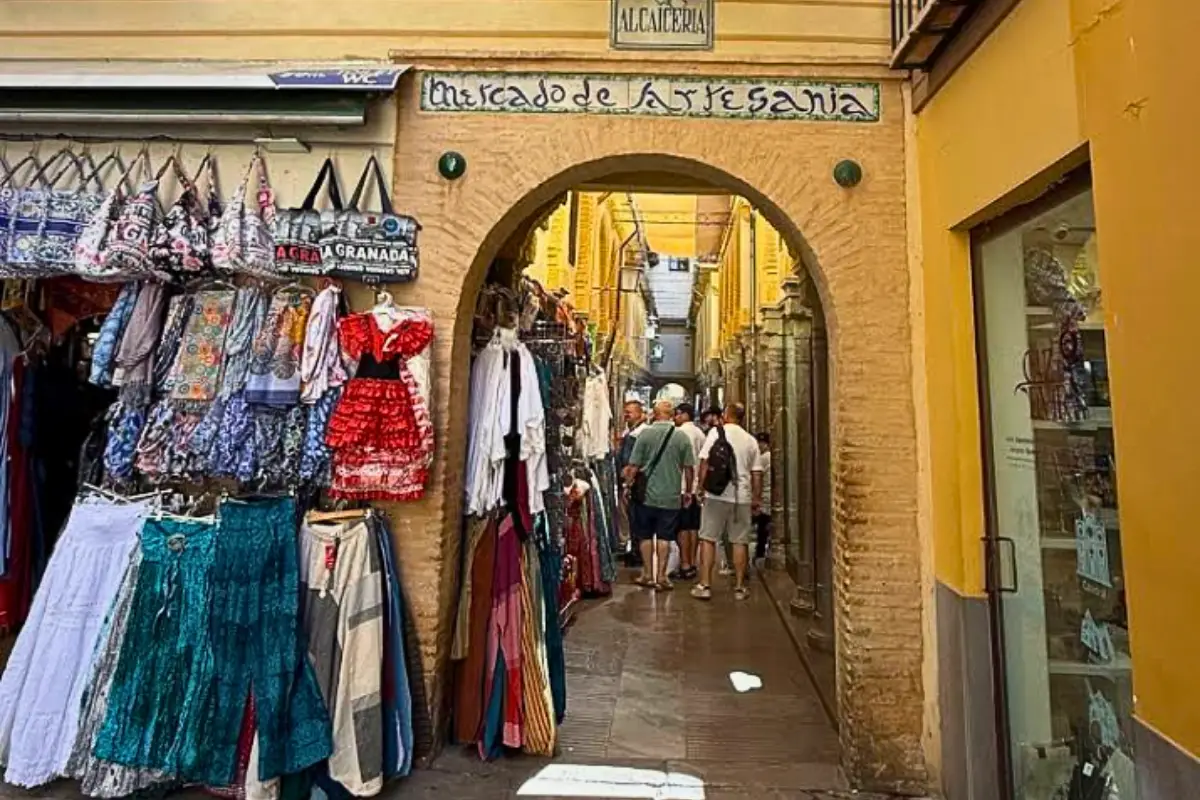
Tucked behind Granada’s Cathedral and the lively Plaza Bib-Rambla, La Alcaicería unfolds like a passageway through time.
Its narrow alleys glimmer with brass lamps, hand-painted ceramics, and the scent of sandalwood drifting through the air.
Once the city’s bustling silk market, today it remains a maze of small artisan shops and souvenir stalls, echoing the character of an Arab souk. Visitors step into its cool, tiled corridors and are met with the hum of quiet bartering.
History
La Alcaicería’s origins stretch back to the 14th century, founded under the reign of Muhammad V, when Granada flourished as the last Muslim stronghold in Spain.
The name itself, from Arabic al-qaysariya, meaning “Caesar’s place”, speaks to a history of imperial exchange.
The market was once a walled compound of nearly 200 shops, guarded by wardens and dogs at night to protect its valuable goods: silk, gold, silver, and fine fabrics.
After the Christian conquest in 1492, the market remained under royal control, continuing its role as a trading center.
A devastating fire in 1843 destroyed much of the original structure, but the city rebuilt it in a Neo-Moorish style, preserving the intricate arches, tiled walls, and latticework that still charm visitors today.
Market Stalls
Modern-day La Alcaicería is smaller than its medieval predecessor, yet it retains its labyrinthine energy.
The main artery, Calle Alcaicería, branches into slender corridors lined with stalls selling handcrafted pottery, inlaid wood boxes, colorful glass lamps, leather bags, scarves, and traditional textiles.
Some vendors have worked these stalls for generations, passing down artisanal techniques rooted in Andalusian tradition.
Market Highlights
While many stalls cater to souvenir hunters, La Alcaicería remains one of Granada’s best places to find authentic Granadan crafts. Among the treasures: hand-painted tiles from local workshops, delicate filigree jewelry, and taracea.
Granada’s famed wood inlay work.
Spices, teas, and soaps infused with jasmine or orange blossom recall the trade routes that once linked this market to North Africa.
Just beyond its stone archways, cafés spill into Plaza Bib-Rambla, offering respite after a morning of wandering.
Visitors often pair their market stroll with lunch at Restaurante Oliver for Andalusian seafood, or a sandwich at Bar Aliatar, a Granada classic since the 1950s. Together, these experiences make La Alcaicería not just a market but a bridge between the city’s Moorish, Christian, and modern-day identities.
Summary
La Alcaicería is more than a souvenir market. it’s a living museum of Granada’s layered history.
Within its narrow corridors, centuries of craftsmanship and trade converge in the gleam of metal lamps and the whisper of silk.
Though smaller than its medieval ancestor, it continues to embody the city’s spirit: vibrant, enduring, and deeply tied to its cultural roots.
For travelers seeking a sense of old Granada, a walk through La Alcaicería remains an experience both sensory and timeless.
Do's
- Ask about taracea workshop origins
- Visit mornings for fewer crowds
- Explore side alleys off main street
- Pair with Plaza Bib-Rambla lunch
Don'ts
- Buy taracea without checking authenticity
- Block narrow passages for photos
- Expect bargains on genuine craftsmanship
- Miss the hand-painted tiles section
Getting There
La Alcaicería is behind Granada Cathedral:
- Location: Between Plaza Bib-Rambla and Gran Vía
- Access: Pedestrian only, narrow alleys
- Note: Not wheelchair accessible due to historic layout
More markets in Granada
Location & Map
Centro, 18001 Granada, Granada
Frequently Asked Questions
Granada's historic Arab bazaar, originally founded in the 14th century under Muhammad V as a silk market with nearly 200 shops. After an 1843 fire destroyed the original, it was rebuilt in Neo-Moorish style. Today it's a labyrinth of artisan shops selling ceramics, taracea, lamps, and Moorish crafts.
Most shops open daily 10am to 8pm, with reduced hours on Sundays. Individual shops set their own schedules - mornings are generally less crowded.
Granada's traditional wood inlay craft, creating geometric patterns using bone, mother-of-pearl, and coloured woods. Authentic pieces are handmade in local workshops and take considerable time to produce. Look for workshop provenance when buying.
Yes - beyond souvenirs, it's a living link to Granada's Moorish trading history. The rebuilt Neo-Moorish architecture preserves the atmosphere of an Arab souk, and skilled artisans still work traditional crafts. Best combined with nearby Plaza Bib-Rambla for coffee or lunch.
Affiliate Disclosure: Some of the links on this page are affiliate links. This means if you click on the link and make a purchase, we may receive a small commission at no additional cost to you. We only recommend products and services that we have personally used or thoroughly researched. Your support helps us continue to provide free travel guides and tips. Thank you for your support!
Explore more markets in
Markets in Granada